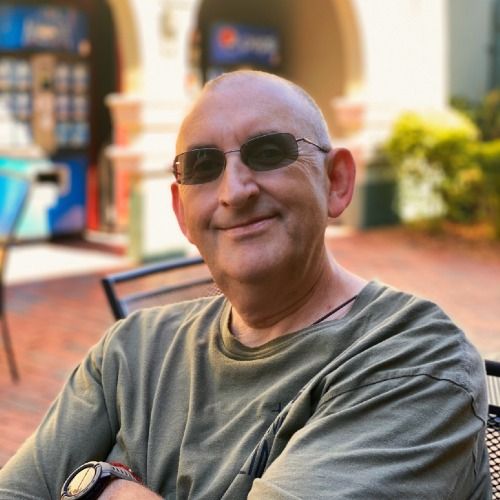
From Combat to Court: A Veteran's Transformation in the Legal Sphere
The theme of this podcast episode revolves around the profound journey of recovery and transformation undertaken by Rand Timmerman, a retired lawyer and veteran. Throughout our dialogue, we explore the intricate interplay between his experiences in the military, the challenges of legal practice, and his ongoing battle with alcoholism, which ultimately led him to a path of spiritual awakening and renewal.
Rand candidly shares his reflections on the nuances of addiction, the physiological and psychological differences faced by alcoholics, and the pivotal moments that shaped his recovery journey. We delve into the significance of the Appalachian Trail as not merely a physical challenge, but as a metaphorical pilgrimage that facilitated his connection with nature and a higher power, thereby enriching his life with newfound clarity and purpose. This episode serves not only as a narrative of personal struggle and resilience but also as an invitation for listeners to reflect on their own journeys toward healing and self-discovery.
A profound exploration of the multifaceted journey of Rand Timmerman unfolds as he recounts his transition from military service in Vietnam to a distinguished legal career, ultimately leading to a spiritual awakening amidst the trials of life. The discussion delves into the psychological and physiological complexities of addiction, particularly alcoholism, highlighting the stark differences in how alcoholics metabolize alcohol and the obsessive nature of their cravings. This narrative is not merely a recounting of personal history but serves as a poignant reflection on the human condition, the struggles of recovery, and the search for purpose in a world fraught with challenges.
Takeaways:
- The struggle with addiction can be profoundly complex, often involving a battle between desire and willpower.
- The physiological differences between alcoholics and non-alcoholics can have significant implications for recovery journeys.
- Legal professionals often face unique challenges related to burnout, grief, and personal alignment in their careers.
- The exploration of personal stories can reveal the hidden struggles faced by lawyers in maintaining clarity and purpose.
- Veterans often find solace and healing through physical challenges like hiking, which can serve as a metaphor for personal recovery.
- A deep connection with a higher power can play a crucial role in overcoming addiction and finding peace.
Links referenced in this episode:
Transcript
There were days in the early part of my current recovery, which I'm coming up on 12 years now, where it was 51% not drink, 49% drink.
Speaker A:I mean, the obsession is so powerful, people don't realize alcoholics don't, we don't metabolize alcohol the same as normal people and we create acetone.
Speaker A:So there's, and there's a physiological reason why alcoholics are different, but our brains are also different.
Speaker B:You've entered Legal L where sharp legal minds meet.
Speaker B:The power of Strategic Intuitive Intelligence and inner awareness.
Speaker B:Host Hosted by someone that is a veteran, an author and is an individual experienced in specialist security operations.
Speaker B:Strategic Intuitive Intelligence and transformational psychology.
Speaker B:This is not your typical legal podcast.
Speaker B:We explore what most lawyers never say out burnout, grief, inner dissonance and what it really takes to sustain a legal career with clarity, purpose and personal alignment.
Speaker B:Alongside powerful solo insights, you'll hear thought provoking conversations with members of the Help Lawyer Network, lawyers, legal support professionals and expert witnesses sharing real stories from the front lines.
Speaker B:This is the space where law meets what's rarely talked about.
Speaker B:Welcome to Legal Owl where wisdom meets the law and strategic intuitive intelligence guides the way.
Speaker C:Good afternoon, good evening, ladies and gentlemen, wherever you are in the globe.
Speaker C:Welcome back to Legal Owl for changing things a little bit different today.
Speaker C:I've got a great guest here who's gonna, who's a law, I wanna say an ex lawyer.
Speaker C:Is there such a thing as an ex lawyer?
Speaker C:He's a retired lawyer, but he's in a very unique journey.
Speaker C:He's also a veteran, which is very close to my heart as well and you know, served the country in Vietnam and had a remarkable legal career, has now written a book, has gone on a spiritual journey.
Speaker C:So this is kind of story from the front lines.
Speaker C:This is a little bit different.
Speaker C:We're coming at this from a different angle.
Speaker C:So I would like to welcome my guest, Rand Timmerman today to Legal Oil.
Speaker C:Rand, how are you doing, my friend?
Speaker A:Doing great, Jahan, thank you.
Speaker A:I'm really happy to be here with you.
Speaker C:I'm glad to have last time that we chatted, when we connected.
Speaker C:I loved the fact that your story was kind of unique from your days in the military to then you becoming a lawyer and then going on this kind of this pilgrimage.
Speaker C:Let's talk a little bit about your, you know, your background, your time with the service, what you did and then and how you became a lawyer and why you wanted to go from that to a legal career.
Speaker A: ates Marine Corps in March of: Speaker A:Because I was kind of stuck in a hard place as far as money went.
Speaker A:But I liked the kid that the Marine Corps damn near got me killed about 20 times.
Speaker A:And then out of the blue it gave me a career.
Speaker A:I mean, it was just an astonishing, when I look back on it, how I ended up being a lawyer.
Speaker A:And I came from a place called Adams, New York, a very rural town up in upstate New York, almost into Canada, on the east side of Lake Ontario.
Speaker A:And I grew up very poor.
Speaker A:My dad was a Mustang pilot in World War II.
Speaker A:I had two uncles that were World War II vets.
Speaker A:One D day, another one was a machine gunner on a bomber.
Speaker A:And so it was kind of a warrior family background a little bit, but very impoverished because my dad came back, married, my mom, had my brother and I, and then he got polio.
Speaker A:Eight months in an iron lung a year.
Speaker C:Eight months in an iron lung.
Speaker A:Oh my God.
Speaker A:Unbelievable.
Speaker A:He had two cousins.
Speaker A:One was 19, one was 20, got polio on the same day and died the same day.
Speaker A:Somehow my dad, they got him into this.
Speaker A:It was a children's hospital in Utica, New York, in an iron lung.
Speaker A:I don't know what that does to a man.
Speaker A:I don't know what my dad was like before that tragedy.
Speaker A:But he was tough.
Speaker A:Son of a gun, you know, Mustang pilot, never talked about his service.
Speaker A:Very.
Speaker A:My uncles didn't, they just didn't do that.
Speaker A:And, but because of that, we were very, very poor in a very poor community.
Speaker A:So I had a chip on my shoulder.
Speaker A:I mean, five years old, I looked around, I got a dad that's crippled.
Speaker A:Worked hard, hard working man.
Speaker A:But.
Speaker A:And, and I'm like, we're screwed.
Speaker A:You know, I went to bed hungry a lot, but oh, geez.
Speaker A:Yeah.
Speaker A:So I didn't know what I wanted to do.
Speaker A:I was a pretty good student.
Speaker A:There were a lot of farms around.
Speaker A:I worked on all the farms and worked a lot with my dad all the time when he wasn't working because I had help him out.
Speaker A:I was the oldest, so I was expected to do that.
Speaker A:So I had a little resentment about all that because my childhood was not.
Speaker A:My siblings got to play more.
Speaker A:I was the oldest.
Speaker A:So anyway, and I went to college.
Speaker A:First one in my whole, the whole family, extended family ever went to college.
Speaker A:I'm working as a janitor from midnight till 8am in the morning and I'm going to classes.
Speaker A:I'm selling Amway, a pin setter in a bowling alley.
Speaker A:And I'm Like, I have no idea what I'm doing.
Speaker A:I changed my major three times, and the last time I changed it to psychology because I knew it was a nut job and I didn't know what, what I wanted to do.
Speaker A:And I would save my money up.
Speaker A:I knew I probably had an alcoholic tendency from very young age, 13.
Speaker A:First time I tried it, I liked it a lot, but it wasn't a problem because I didn't have any money.
Speaker A:So for many, it was not really a problem for me until later on in my life.
Speaker A:But anyway, I enjoyed drinking a lot.
Speaker A:And I would save my loose change in a jar, and then I'd pick a weekend.
Speaker A: o in March or no, February of: Speaker A:Snowstorm comes through.
Speaker A:I wake up on Monday morning on the pool table.
Speaker A:I'm there by myself, and I hear, I hear a key go in the door.
Speaker A:And the guy, the owner comes in, the bartender, he never said a word to me.
Speaker A:Came in, just went over, started cleaning glasses, turned the radio on, and they were Talking about the 1st Marine Division going into Vietnam.
Speaker C:Wow.
Speaker A:And I sat up, I laid there.
Speaker A:I was just thinking about how much I was like a lost soul, you know?
Speaker A:And I'm thinking, French Foreign Legion.
Speaker A:Well, there it is.
Speaker A:So I, I, I got up and, and left.
Speaker A:And a month later, I'm in the War Memorial in Syracuse, New York, raising my hand, swearing to protect my country against enemies foreign and domestic.
Speaker A:And nine months later, I'm in the rice padding going, I think I messed up.
Speaker C:And you knew, I mean, essentially you knew you were going to war.
Speaker A:Oh, I knew.
Speaker A:Yeah.
Speaker A:Well, my brother was already there.
Speaker A:He had enlisted in the army before me, my younger brother.
Speaker A:So while I was doing three semesters in Oswego State University, he was, you know, he went through boot camp and he was over.
Speaker A:He went to Chula.
Speaker A:He was in Chu Lai right in the middle of Da Nang when I went in the Marine Corps.
Speaker A:And he was still there when I got there nine months later.
Speaker A:He was a machine gunner on helicopters.
Speaker A:And I ended up in the 1st Marine Division.
Speaker A:That was the, yeah, the one I heard on the radio.
Speaker A:So.
Speaker A:And I ended up being a machine gunner on helicopters with the 1st Marine Air Wing, which was right next.
Speaker A:They were right where we were, the 1st Marine Division up into Nang, which was I Corps.
Speaker A:Anyway, like a lot of guys, I had a lot of close calls.
Speaker A:Unlike some, I didn't end up in a body bag, thank God.
Speaker A:So when I left.
Speaker A:They made me a Mustang lieutenant for a couple months at the end because Lieutenant.
Speaker A:Yeah.
Speaker A:Lieutenants didn't do well in combat zones.
Speaker A:Right.
Speaker A:They got to stick their heads up and do stupid stuff.
Speaker C:You knew a lot of your brothers in arms that were.
Speaker C:That you.
Speaker C:So you didn't want to.
Speaker C:You wouldn't want to go out if.
Speaker C:Because they were all passing.
Speaker C:They were all going, yeah.
Speaker A:So they said, well, you can go back to the States, be a corporal again and get out, or you can go to ocs, Officer Candidate School.
Speaker A:So I went to Officer Candidate School.
Speaker A:I went to basic school, and I applied to be an Air Wing because I didn't want to be, you know, I didn't want to go back 1st Marine Division as a second lieutenant.
Speaker A:So I show up at Cherry point where the 1st Marine Air Wing was.
Speaker A:And at that time, that was their headquarters.
Speaker A:And a guy.
Speaker A:I got there on a Sunday, John, and the officer of the day is my ex drill instructor back in Island.
Speaker A:And now he's a Mustang Captain.
Speaker A:And we do the kisses and everything.
Speaker A:Yeah, we were.
Speaker A:We.
Speaker A:I had seen him in Vietnam.
Speaker A:He was a sergeant in Vietnam when I was a, you know, an enlisted man.
Speaker A:They made him a lieutenant and then they promoted him to captain.
Speaker A:So he's a captain.
Speaker A:Wow.
Speaker C:And you guys met after.
Speaker C:Oh, that's crazy.
Speaker A:And then when I left two and a half years later, I was a first lieutenant, he was a gunnery sergeant again.
Speaker C:What did he do wrong?
Speaker A:Nothing.
Speaker A: to a million men by: Speaker A:So he was on the other side of that.
Speaker A:That mountain.
Speaker A:But anyway, so he says, I got all these schools, and he's rallying them off, and he said, Rhode Island.
Speaker A:I'll never forget it.
Speaker A:I go, what's.
Speaker A:What's the school?
Speaker A:Rhode is.
Speaker A:I've never been to Rhode Island.
Speaker A:What's that?
Speaker A:He says, it's a JAG School.
Speaker A:Judge Advocate General.
Speaker A:Really.
Speaker A:Next day I'm in.
Speaker A:I'm in Newport, Rhode island, in the JAG School.
Speaker A:In the JAG School, there's a hundred of us.
Speaker A:Me, brand new second lieutenant without a college education, let alone a Law degree, and 99 United States Marine Corps captains who are all law school graduates.
Speaker C:Wow.
Speaker C:Tell everybody, because there's a lot of people out there won't know what JAG School is.
Speaker C:Tell them what it actually is.
Speaker A:It's Judge Advocate General.
Speaker A:It's the school for lawyers to be military lawyers and to, you know, carry out the uniform code of military justice, which I already knew about it because you get trained in it as.
Speaker A:Listen, man.
Speaker A:At least the basics.
Speaker C:Yeah.
Speaker A:So we get all.
Speaker C:You kind of got in the back door.
Speaker C:Then you kind of like.
Speaker C:Because there's all these captains ahead of you that were lawyers, and you were right in there, right at the beginning.
Speaker A:Yeah.
Speaker A:And, I mean, I'm.
Speaker A:Compared to them, I'm like a schmuck.
Speaker A:Right.
Speaker C:I was gonna say you're.
Speaker C:We used to have a saying in the British Army.
Speaker C:You were a nig.
Speaker C:You're.
Speaker C:You know, basically, you were a young.
Speaker C:You were a young soldier, knew nothing.
Speaker C:You hadn't a clue, and that was it.
Speaker C:And so that's kind of how they probably treated you as well.
Speaker A:Yeah.
Speaker A:So I'm.
Speaker A:This farm boy somehow managed to get himself up into the ranks a little bit, but 20 of us rented a mansion in Rhode Island.
Speaker A:It was right on the beach because it was the off season.
Speaker A:It was in February, March.
Speaker A:And so, I don't know, they started partying.
Speaker A:You know, they're.
Speaker A:They graduated.
Speaker A:They got their law degrees and everything.
Speaker A:And I. I decided I'm not going to drink during the week.
Speaker A:I'm just gonna.
Speaker A:I'm gonna kind of work on this.
Speaker A:So I focused on it, and, you know, we parted on the weekends and stuff like that, but gosh darn it.
Speaker A:So at the end of it, I am the class honor man.
Speaker A:I got the highest.
Speaker A:I've got the highest scores, and they're all.
Speaker A:That's amazing.
Speaker A:No, you don't even know what you're doing.
Speaker A:You don't know anything about the law.
Speaker A:You know, like, it's all good nature.
Speaker A:Yeah.
Speaker A:But.
Speaker A:So I went back to Cherry Point.
Speaker A:They made me a defense attorney.
Speaker C:Hi.
Speaker C:If you are a legal expert or an expert witness and you would like to join our exclusive legal community, then connect with me on Help Lawyer, and let's have a conversation.
Speaker C:Ryan, did you want to be a defense attorney or did you want to look at another aspect?
Speaker C:Or did they just decide, this is what your strength is, this is what you're going to do?
Speaker A:No, they decided that, you know, I kind of earned the bag because of what happened.
Speaker A:I could have been a legal officer and just been more or less doing administrative stuff.
Speaker A:Or you could.
Speaker A:I wanted to be.
Speaker A:I joined postmasters or toastmasters because I knew I had a. I didn't know how to speak in front of a.
Speaker A:You know, and captains and all that kind of stuff.
Speaker A:And that's what juries are made up in the.
Speaker A:In the Marine Corps or in the military.
Speaker A:They're not your peers.
Speaker A:They're not enlisted men.
Speaker A:Trying enlisted men.
Speaker A:No, they're.
Speaker A:They're officers, usually a colonel, a major, captain maybe.
Speaker A:Yeah.
Speaker A:Yeah.
Speaker A:So I did a couple of trials, and one of the guys was charged with sleeping on watch, which, in Marine Corps, two years, Leavenworth in the dishonorable discharge.
Speaker A:I mean, it's a serious thing.
Speaker A:And I don't know.
Speaker A:I want.
Speaker A:I was a gung ho.
Speaker A:I got a witness and they let him off.
Speaker A:They acquitted him.
Speaker A:And then I had.
Speaker C:How did you get him off?
Speaker C:And was that your first case?
Speaker A:No, it was like the second or third.
Speaker A:I just raised my.
Speaker C:What was your.
Speaker C:What was your first case like?
Speaker C:Because obviously you've come out of JAG school, you're now a lawyer.
Speaker C:What was your first defense case that they gave you?
Speaker A:I don't remember, John, beyond this, the.
Speaker A:The case with the guy sleeping on watch was pretty quick.
Speaker A:I think I had one or two other ones.
Speaker A:Who knows?
Speaker A:You know, not keeping your bed tight or something.
Speaker A:But this one.
Speaker A:This one was serious, and I took it serious.
Speaker A:And they did, too.
Speaker A:Everybody knew what was at stake, and so I worked at it.
Speaker A:And I found a witness.
Speaker A:And he said, well, I. I didn't see him sleeping.
Speaker A:And I don't know, I raised enough doubt that they acquitted him, which is unreal.
Speaker C:That's all you need to do, is it?
Speaker C:Raise enough doubt, and then that's it.
Speaker C:If.
Speaker C:If there's enough doubt in the case, then it's not going to go anywhere.
Speaker A:Yep.
Speaker A:And then it happened again.
Speaker A:So you know how they solved that problem?
Speaker A:They made me a prosecutor.
Speaker C:So you were so good at defending, they needed you to put people away.
Speaker C:Wow.
Speaker A:So that's why I say.
Speaker A:I mean, I almost got killed in Vietnam.
Speaker A:Oh, my God, 20 times.
Speaker A:I mean, an inch one way or another sometimes.
Speaker A:And I was also qualified to be a forward observer because I'm in the 1st Marine Air Wing and I had to do training for that.
Speaker A:I'm probably going to go back to Vietnam as a.
Speaker A:First as a forward observer.
Speaker A:Right.
Speaker A:But then this captain of mine kept sending me down to Puerto Rico at Roosevelt Roads Navy Base to do Article 32 trials because there was a contingent of Marines down there, and, you know, they go out and get drunk and do stupid stuff and.
Speaker A:Yeah, AWOLs, mostly AWOL.
Speaker A:My first case was probably an AWOL, John, now that I think about it.
Speaker A:But anyway, AWOL means absent without leave.
Speaker A:Yeah.
Speaker C:And actually, I have.
Speaker C:I went.
Speaker C:In my days, I actually went awol.
Speaker C:I was the only Scotsman in my regiment at the time.
Speaker C:And I had a number of guys that came into my room in the middle of the night at two in the morning and beat me up to a bit of a pulp.
Speaker C:And I then decided to go awol, and then I handed myself in, and then they threw me in Jankers for a few days until they sorted me out.
Speaker C:So I get it.
Speaker C:I understand it.
Speaker A:Yeah.
Speaker A:So I'm on the top of the list, go back to Vietnam.
Speaker A:Next thing I know, I'm in Puerto Rico at Roosevelt Roads doing trials.
Speaker A:And then I go back, and now I'm back up on the list again.
Speaker A:And then the second time, I get ordered to go back down there.
Speaker A:And I'm talking to this captain, his name was Dale Mone, and he goes, why do you think I keep sending you to Puerto Rico, you dumb bastard?
Speaker A:You know what I mean?
Speaker A:Duh.
Speaker C:Why did you.
Speaker C:You know, from your military side, from you being in the Marines, seeing action, going to war.
Speaker C:Did you have an interest in the legal area, or was it just the fact that, you know, your buddy was going and he was.
Speaker C:You had the opportunity and you just jumped at it, or were you really interested in it?
Speaker A:I think I was really interested.
Speaker A:I was still looking for something that I could do to not go back to being a civilian and not have a path that would lead me to riches.
Speaker A:I had a huge resentment against.
Speaker C:Oh, right, right, right.
Speaker C:Okay.
Speaker C:You could.
Speaker C:You could see light at the end of the tunnel.
Speaker C:Really.
Speaker C:This was your opportunity.
Speaker C:You didn't want to go into Sebi Street?
Speaker A:Yeah, I didn't know what the hell I could do.
Speaker A:I mean, I just didn't have a skill set.
Speaker A:I mean, I'm not.
Speaker A:I didn't really want to be a police officer.
Speaker A:That would have been sort of.
Speaker A:But I don't know.
Speaker A:I was looking for something, and I was good at reading, and I had a skill set that was pretty good for a lawyer.
Speaker A:You know, kind of a strong back, you know, strong mind.
Speaker A:And.
Speaker A:And I was not afraid, you know, if somebody.
Speaker A:If things get too tough, I would always say, hey, nobody's shooting any ran.
Speaker A:What the hell's the problem?
Speaker A:Just do it.
Speaker A:You know, that kind of.
Speaker A:Did you prefer.
Speaker C:Did you.
Speaker C:Did you prefer being a prosecutor rather than on defense?
Speaker C:Or did you.
Speaker A:What.
Speaker C:What was your preference?
Speaker A:Oh, I never was a prosecutor.
Speaker A:As a civilian.
Speaker A:No.
Speaker A:I came back out and immediately started doing.
Speaker A:Once I got.
Speaker A:Well, when I got out of the Marine Corps, I had to go to.
Speaker A:I went to college in Syracuse, New York.
Speaker A:Went to Syracuse, and then I Went to law school there and I was still working three jobs, married with two kids, because I still had no money and I wanted to go back home, basically.
Speaker A:So I ended up being a country lawyer in upstate New York in four rural counties up there, and had an office in Watertown, New York, where the 10th Mountain division is and Jefferson county, and still got more cows than people, as far as I know.
Speaker A:And I got an office in, in downtown Watertown and I started doing a lot of defense work because all you had to do is go into a court and say, oh, do you need any.
Speaker A:A lawyer to represent anybody?
Speaker A:Oh, yeah, I'm glad you're here.
Speaker A:You know, the judge.
Speaker A:And we were getting.
Speaker A:At that time, when I started, I was getting $10 an hour out of court, $15 an hour in court.
Speaker A:I mean, it was.
Speaker A:Wow.
Speaker A:So I went around all these courts and signed up to be defense lawyer.
Speaker A:And then, you know, and I started getting some fairly high profile.
Speaker A:I had a knack for it.
Speaker C:And you got some high profile.
Speaker C:Now, if I remember right, when last time you and I spoke, you told me about a particular case that I can't.
Speaker C:That I'm looking forward to you talking about that you trialed without a jury.
Speaker A:Yes, well, I had a number of jury trials, but I ended up doing a murder case in Lewis county, which was the next county over, next to Jefferson.
Speaker A:And this I still look back at it with very fond.
Speaker A: son county is probably around: Speaker A:It's very rural.
Speaker A:Watertown has 30,000 people and it's the big metropolis.
Speaker A:And then you got Lewis county to the east of that.
Speaker A: It's: Speaker A:It has less than 30,000 people.
Speaker A:I was doing a little research yesterday, John, trying to remember what some of the things about Lewis county that I wasn't sure about.
Speaker A:And so I'm looking at these old records.
Speaker A: county had, it's like I said,: Speaker A: eople all the way back to the: Speaker A:It's been the same size forever for.
Speaker C: That long way back from the: Speaker A:Yeah.
Speaker C:And I remember you said to me as well that there wasn't massive.
Speaker C:I mean, there was only a few big cases because in a rural country like that, it was, you know, arguing over, I don't know, someone's cow or something, you know, stealing their cattle.
Speaker C:But you, you did eventually do some high profile work, right?
Speaker A:So, yeah, Lobille is the center, the county Seat of Lewis county, it's got 3,500 people.
Speaker A: all the way back to the early: Speaker A:A courthouse in Lyleville.
Speaker A:And if you walked in any direction within less than a mile, you're going to be in a farmer's field.
Speaker A:It's never changed.
Speaker A:Every day I walk out of that farm house, there's usually a tractor going by with a farmer on it pulling a manure spreader or a hay wagon or.
Speaker A:Or.
Speaker A:I mean, half the people walking in out of that courthouse have manure on their boots.
Speaker A:You know, that kind of a.
Speaker C:What was the.
Speaker C:What was the kind of.
Speaker C:In an area like that, though?
Speaker C:What actually.
Speaker C:What was the main.
Speaker C:What was the main crimes that you had to deal with most of the time?
Speaker A:There probably DUIs would be the most.
Speaker A:Not me, but the police.
Speaker A:DUI, domestic stuff.
Speaker A:Very.
Speaker A:Most people did not.
Speaker A:Very low crime rate.
Speaker A:Everybody has guns.
Speaker A:You know, every truck has got a gun in the back window.
Speaker A:Yeah, in those days I had one of mine, my truck.
Speaker A:I, you know, I hunted and all that stuff.
Speaker A:So.
Speaker A:But I got with.
Speaker A:In a couple of decades, they had two murders and I was involved in both of them.
Speaker C:Yeah, I remember you saying, yeah, both of them.
Speaker A:And that, I mean, that's just freaky in itself because there was hardly any.
Speaker C:It is freaky.
Speaker A:Yep.
Speaker A: The first One was in: Speaker A:And the victim.
Speaker A:I ended up representing one of the defendants.
Speaker A:The victims.
Speaker A:Nobody.
Speaker A:This guy disappeared.
Speaker A:His name was Pru.
Speaker A:He worked at the cheese factory.
Speaker A:So in Lewis county, what do you got?
Speaker A:You got farming, mostly just dairy farming, logging.
Speaker A:And you got cheese making, Right?
Speaker C:Right.
Speaker A:So there's a cheese making plant there.
Speaker A:And this guy worked in that plant.
Speaker A:And he was having an affair with two of the wife of two brothers.
Speaker A:Their.
Speaker A:Their last name was Kiefer.
Speaker A:That lived on a farm with their parents.
Speaker A:Right.
Speaker A:And they.
Speaker A:And they found out that one of them did Brad.
Speaker A:That his wife was cheating on him with this guy.
Speaker A:And these two gentlemen had never committed a crime in their home.
Speaker A:They didn't have a traffic ticket.
Speaker A:They were not on the radar of the police at all.
Speaker A:Pru, one night he walks off the night shift at that cheese factory and disappears.
Speaker A:Just disappears.
Speaker A:Nobody knows anything.
Speaker A:Eight months later, a dog comes dragging a femur bone out of the woods.
Speaker A:They found the body.
Speaker A:Yeah.
Speaker C:Wow.
Speaker A:And then they started doing investigation.
Speaker A:You know, there was some.
Speaker A:There was no eyewitness to the murder or anything.
Speaker A:Like that, with one exception, probably.
Speaker A:So anyway, there's this big investigation and they arrest the Kiefer brothers.
Speaker A:And they know that one of them's wife cheated with this guy and that they probably had something to do with it.
Speaker A:And then they got search warrants, and lo and behold, they found blood in the vehicle, and they also found clothes that had been burnt in a stove and all this kind of stuff.
Speaker A:So they had enough.
Speaker A:It was all circumstantial.
Speaker A: hington, D.C. now, this is in: Speaker C:To say, and this is a while ago.
Speaker C:So obviously the technology wouldn't have been the way it is today.
Speaker A:Yep.
Speaker A:So what happened was the FBI said there was a match, and they had been doing matches for a little bit at that point, but nobody had ever legally tested whether or not it was scientifically reliable enough to be used in a court of law.
Speaker A:So here I am in Lewis county now, and that's what you did.
Speaker C:You challenged them scientifically?
Speaker A:I subpoenaed the director of the FBI lab.
Speaker A:The judge was furious.
Speaker C:I can imagine.
Speaker A:They had done a test, and the DNA results that they claimed to have was a million to one, which means crazy.
Speaker A:Out of a million people, one person besides the defendant could be 50% possibility that they were the.
Speaker A:The perpetrator of the crime.
Speaker A:So.
Speaker A:So it's.
Speaker A:You know, you're screwed, right, with the DNA pretty much.
Speaker A:That's overwhelming.
Speaker A:Right.
Speaker A:The four.
Speaker A:The four counties that I worked in, Lewis, Jefferson, St. Lawrence and Oswego, there's.
Speaker A:There's a million people.
Speaker A:And that area is bigger than.
Speaker A:Than Rhode Island.
Speaker A:I mean, it's huge area up there.
Speaker C:So.
Speaker A:So yeah, I didn't know what to do.
Speaker A:I.
Speaker A:So I subpoenaed him.
Speaker A:I did all the.
Speaker A:I did everything a defense lawyer would do.
Speaker A:I did an omnibus motion right in the beginning.
Speaker A:Demanded.
Speaker A:Demanded all the evidence.
Speaker A:So this is funny.
Speaker A:So Sheriff Jock is the sheriff in Lewis County.
Speaker A:He was a good guy.
Speaker A:He really was.
Speaker A:When the jury went out on this murder case, me, Jim o', Rourke, who was the district attorney, and Jock went back in a file room in the courthouse just to wait.
Speaker A:Then Jim o' Rourke and I were used to hanging out back there.
Speaker A:Whenever we had jury trials, we could go there and nobody could bother us, and we'd just wait and the court attendant would come and say, yeah, they're coming out, or whatever, you know, with the verdict.
Speaker C:Yeah.
Speaker A:And then on this one, Jack is sitting there, and finally I go, sheriff, why are you Here.
Speaker A:He said, well, we're getting.
Speaker A:We had threats, Rand.
Speaker A:We got threats.
Speaker A:And I said, and I'm looking at Jim O', Rourke, the D.A.
Speaker A:And I'm going, jim, can you believe somebody would be so stupid as to threaten you?
Speaker A:And Jack looks at me and he says, no, they weren't threatening the DA.
Speaker A:They weren't threatening, Jim.
Speaker A:They were threatening you Ran.
Speaker A:Jeez.
Speaker C:They already knew that you were going to be.
Speaker C:So you were the target.
Speaker A:Nothing happened.
Speaker A:So I don't know.
Speaker A:But no, no, that was.
Speaker A:That was just kind of funny.
Speaker A:So anyway, when I did the omnibus motion for all the evidence, Sheriff Jack calls me up one day and he says, ran, I have boxes in boxes of evidence.
Speaker A:It will take me six months to copy all this stuff.
Speaker A:He says, why don't you come out to the jail on the weekend?
Speaker A:I'll lock you in a room with all the evidence we have.
Speaker A:I'll give you a copier and somebody to help you, and you can go through it and copy everything you want.
Speaker A:Wow.
Speaker A:I said, okay, yeah, why not?
Speaker A:What the heck?
Speaker A:So I went over there, locked me in.
Speaker A:I'm copying.
Speaker C:And locked you in a jail so you could copy everything.
Speaker A:It was amazing, John.
Speaker A:They had hired two.
Speaker A:I don't know what you call them.
Speaker A:Sears psychics.
Speaker C:Okay.
Speaker C:Right.
Speaker C:Yeah.
Speaker A:It's Lewis.
Speaker A:I never in my wildest dreams, I would never think that Lewis county, this quiet urban or rural paradise, would ever hire psychics to try to find out where the body was.
Speaker A:But that's what they did.
Speaker C:And one of them did the psychic.
Speaker C:Were the psychics good?
Speaker C:Did they get the.
Speaker C:Did they get the evidence?
Speaker C:Or was it.
Speaker A:One of them was dead on.
Speaker C:Wow.
Speaker A:I was astonished.
Speaker A:She described where the body was, what it looked like, how it would be found.
Speaker A:You know, the terrain.
Speaker A:I mean, what she didn't know was.
Speaker A:And she had some ideas about the perpetrators, but not a whole lot.
Speaker A:But she described it.
Speaker A:I mean, it's pretty much perfect.
Speaker C:She was accurate.
Speaker A:She knew.
Speaker C:It's a shame, Rand, because, I mean, I know there has been.
Speaker C:You know, there's been Noreen Rainier, who's done stuff.
Speaker C:The psychics that have worked with police.
Speaker C:I think it should happen a lot more.
Speaker C:I think it should be used a lot more, but I think it should be done in a way that is.
Speaker C:Is there's evidential trails and There's.
Speaker C:There's certain SOPs to.
Speaker C:To.
Speaker C:To go through, not just have somebody come in and say, I can see this or I can see that, or I've got that.
Speaker C:This feeling.
Speaker C:But it's amazing.
Speaker C:So the other.
Speaker C:The other psychic didn't.
Speaker C:Was off totally?
Speaker A:No, they weren't off.
Speaker A:But the one was just so uncanny, it blew me away.
Speaker A:You know, for years, for the next two decades, I had on the back of my veranda in my office, on top of one of my, you know, desks, another desk, basically two, five doors full of all the things I copied that day in there and all notes.
Speaker A:And I was gonna write a book about it, and.
Speaker A:And then I just.
Speaker A:I don't know.
Speaker A:When I finally retired, I was dealing with my alcoholism at that point, you know, didn't bother me till the very end of my career.
Speaker A:And then I was really struggling hard for a period of a couple years.
Speaker A:And I don't know, I didn't.
Speaker A:I didn't follow through with that.
Speaker A:So we.
Speaker A:We destroyed it all.
Speaker A:I wish I hadn't ran away, because it was just unbelievable.
Speaker A:And o', Rourke, the DA came over that day and.
Speaker A:And we were talking about stuff.
Speaker A:They did a sweep of the ditches on the road.
Speaker A:See, another lawyer that I knew had.
Speaker A:When all this finally broke, they had figured out that they were driving down the road where whoever did it must have gone.
Speaker A:Actually, she.
Speaker A:She was a lady attorney and a nice lady and a good attorney and her husband, they were out socializing, doing whatever, and they.
Speaker A:When they apparently came up on this vehicle and they saw there was something going on in the vehicle.
Speaker A:Looked like a fight.
Speaker A:Two people fighting.
Speaker A:Right.
Speaker A:That was it.
Speaker A:So when they.
Speaker A:When she testified at the trial, I really irked my clients.
Speaker A:Parents had retained me to represent their son.
Speaker A:Right.
Speaker A:Now, these are good, solid, honest, befuddled, totally out of their minds with grief farm parents.
Speaker A:You know, these are good, wholesome people.
Speaker A:And they paid me a lot of money, and I earned.
Speaker A:I mean, I worked my butt off, but it was a lot of money.
Speaker A:And I remember they said, you didn't cross examine her?
Speaker C:And I'm like, yeah, why didn't you cross examine then?
Speaker A:I did not cross examine the lady attorney who testified about seeing these guys fighting in a car right on this back road at about the same.
Speaker A:What, sometime during the same night when this guy disappeared?
Speaker A:But that's it.
Speaker A:That was it.
Speaker A:So there was.
Speaker A:They didn't identify the vehicle, they didn't identify the people.
Speaker A:So I was.
Speaker A:You know, a lot of people, a lot of lawyers think they have to cross examine everybody.
Speaker C:They don't.
Speaker A:No.
Speaker A:That would have been the worst thing in the world.
Speaker A:I wanted them to testify and get the hell out of their be.
Speaker A:So I Could argue for the jury.
Speaker A:They never identified the vehicle.
Speaker A:They didn't identify the people.
Speaker A:It could have been a man and a woman who'd just been out drinking too much.
Speaker A:It could have been, you know, a bishop and a.
Speaker A:In a, I don't know, a Hindu fighting over religion.
Speaker A:Who the hell knows?
Speaker A:It doesn't matter.
Speaker C:And also it can be at night.
Speaker C:It depends on the weather, whether it's foggy, whether it's rainy.
Speaker C:All that kind of stuff as well comes into play.
Speaker A:Yeah.
Speaker A:So I argued to the jury.
Speaker A:I knew what I was going to do.
Speaker A:I was not going to give her one more second on that stand to try to fix it or anything else like that.
Speaker A:But that was one of the more interesting things that had happened.
Speaker A:Yeah.
Speaker A:So we were there.
Speaker A:There was a box of knives.
Speaker A:They stabbed him 56 times.
Speaker A:The defendant had.
Speaker C:Was it more than one perpetrator then or just one person?
Speaker C:There was two of them.
Speaker C:The two brothers did it together.
Speaker C:Right.
Speaker A:One of them was driving.
Speaker A:They tried to shoot him.
Speaker A:Missed.
Speaker A:Put a hole in the bottom of the vehicle.
Speaker A:That was another piece of evidence.
Speaker A:There was a bullet hole in there and they stabbed him.
Speaker C:Was the psychic able to identify anything about the brothers stabbing him or anything?
Speaker A:I don't recall that, no.
Speaker A:I don't think so, no.
Speaker C:Interesting.
Speaker A:I don't think they was.
Speaker A:But they.
Speaker A:So they did a sweep of the roads and they.
Speaker A:So there's two boxes there full of knives.
Speaker A:I mean, all kinds of knives, anyone of which of them could have.
Speaker A:Now, the thing that bothered me about it, John, was that he had a lot of defensive wounds.
Speaker C:Right.
Speaker A:Fought like a son of a gun.
Speaker A:That made me feel kind of bad in a way because he had a lot of wounds on his hands and his arms.
Speaker A:So, you know, he was.
Speaker C:Because he was.
Speaker C:He was fighting.
Speaker C:Yeah.
Speaker A:Fighting for his life.
Speaker A:That was not pleasant at all.
Speaker A:They never admitted to doing, you know, I did my job.
Speaker A:But they never.
Speaker A:They never admitted to it.
Speaker A:But it was pretty clear in the end.
Speaker C:So anyway, you got them off.
Speaker C:You actually got the brothers off.
Speaker C:You won the case, didn't you?
Speaker A:No, they got convicted of.
Speaker A:They didn't get convicted of intentional homicide.
Speaker A:They got.
Speaker C:Right.
Speaker A:Not accidental, but I can't remember the exact wording of it, but.
Speaker A:So they got a lesser than cold blooded murder.
Speaker C:Yeah,.
Speaker A:But it was.
Speaker A:It was an amazing experience.
Speaker A:One of the things that I did, I, I prepared a lot.
Speaker A:My daughter was getting her PhD in biology at St. Lawrence University and she.
Speaker A:I mean that preparing for that trial.
Speaker A:I had books on DNA like this Mean, I'm like, oh my God, I'm never going to be able to figure this all out.
Speaker A:And then I went to see a lawyer down in Syracuse who did a lot of criminal stuff.
Speaker A:Very well known lawyer nationally, basically.
Speaker A:And I told him everything I was doing, what was going on.
Speaker A:He got all done.
Speaker A:He looked at me, says, rand, you're over prepared.
Speaker A:I said, you don't have any more.
Speaker A:No, he says, you're way too far.
Speaker A:So anyway, I subpoenaed the director of the FBI lab.
Speaker A:The judge set aside a week for the hearing.
Speaker A:She came up.
Speaker A:There's issues about, you know, her credentials and stuff like that.
Speaker A:We spent a fair amount of time on it, but I wasn't, I didn't want to have her fired or, you know, the judge discharge it because if she was not qualified, I wanted to test the whole thing, the scientific reliability of that type of evidence.
Speaker C:So did you have her?
Speaker C:Did you.
Speaker C:Was she acting like an expert witness?
Speaker C:And then you, you had to.
Speaker C:So that.
Speaker C:So you would challenge her.
Speaker C:I don't know if that's the same as a Dorbert challenge, but you would challenge her.
Speaker C:Basically, she want, she want to say she wasn't good enough or she weren't qualified enough to do it.
Speaker A:Yep.
Speaker A:I've subpoenaed her.
Speaker A:She showed up.
Speaker A:And then I talked to Jim o', Rourke, the district attorney and I said, why don't you call her as your witness?
Speaker A:She's really your witness now that I've got her here.
Speaker A:You can't just say, well, he didn't do what he has to do to, to contest the DNA.
Speaker A:So judge, you have to accept it.
Speaker A:I've done my part now.
Speaker A:And Jim said, okay.
Speaker A:I wanted him to do the direct questioning.
Speaker A:Right.
Speaker A:I wanted to be able to cross examine her.
Speaker A:So Jim was fine with that.
Speaker A:He was a, he was a good lawyer.
Speaker A:I mean, one day I was there on another case and we got done and I said, Jim, you know, I don't know where these people drove these roads around here.
Speaker A:I don't.
Speaker A:He says, well, I can show you.
Speaker A:You want to go for a ride?
Speaker A:He showed me where the guy, where the, we went from the cheese plant, where this guy was to the route they must have taken to where they buried the body.
Speaker A:The DA took me to show me that.
Speaker A:And so when we're in the sheriff's office there in the jail going through all the evidence, there's two boxes of knives there that they, they searched all the roads.
Speaker A:They found 57 knives.
Speaker A:I was astonished that there Was that many knives people were throwing out their windows.
Speaker C:I was gonna say was people driving down the highway and just chucking the knives at the window?
Speaker A:I don't know.
Speaker C:On the same area, 57 knives.
Speaker C:That's nuts.
Speaker A:I said, jim, any of these been tested for DNA?
Speaker A:And he said, no, we're not going to buy it.
Speaker A:It's too expensive.
Speaker A:So they didn't.
Speaker C:Oh, my God.
Speaker A:Yeah.
Speaker A:So we're doing the hearing and I'm sitting there, they've got the markers on a whiteboard and she's testifying about the markers and all this and that.
Speaker A:And, and I'm looking at them and I'm thinking, I don't think you can see that bottom marker.
Speaker A:There was nine markers that were on one side.
Speaker A:And then they, they had a description, the technical.
Speaker A:What H1 was, and all this, you know, scientific gobbledygook kind of stuff.
Speaker A:It's important, but it's not.
Speaker C:You never.
Speaker C:You couldn't see the other marker.
Speaker A:So when I got to cross examine her, I walked up and I took a yellow.
Speaker A:I took my yellow pad and it put it over the.
Speaker A:All the words.
Speaker A:So only thing it was showing was the markers.
Speaker A:And I looked right at her and I said, you can't see that bottom marker, can you?
Speaker A:I was pointing at the bottom.
Speaker A:I had asked her some other questions first, of course, but yeah, yeah, yeah, yeah.
Speaker A:And it got down to the meat of it.
Speaker A:And I said, you cannot see that bottom marker, can you?
Speaker A:And she's like, well, no, you can't see it.
Speaker A:And everybody in the whole room can see I'm right.
Speaker A:It's not there.
Speaker A:You can't see it.
Speaker A:And finally she goes, you're right, it's not there.
Speaker A:And I said, thank you very much.
Speaker A:Now, if it's not there, what does that mean?
Speaker C:What'd she say?
Speaker A:She says, well, it really, it makes the test invalid.
Speaker A:And I said, that's exactly right.
Speaker A:That marker's there.
Speaker A:That whole test is invalid.
Speaker C:You got the test invalidated.
Speaker C:The science didn't match up.
Speaker A:It didn't.
Speaker A:Well, if the science is valid, it means that test he is excluded.
Speaker A:You can't pick and choose.
Speaker A:And so I'm asking her, you can't pick and choose, right?
Speaker A:And she says, no, you can't.
Speaker A:So it either is or it isn't.
Speaker A:It's kind of like God.
Speaker A:Either God is or God isn't.
Speaker A:And she said, exactly.
Speaker A:And I said, so that means it's got to be thrown out, the whole thing.
Speaker A:Thrown out?
Speaker A:She said, yes.
Speaker C:Wow.
Speaker C:Yeah.
Speaker C:So then that must have pissed him off.
Speaker A:Oh, the whole room, everybody knows this case is I. I've got a winner now, Right?
Speaker C:Right.
Speaker A:Well, the judge.
Speaker A:The judge, he was a nice man, but he's a small town.
Speaker C:He didn't want to rock the bull.
Speaker C:He didn't want to roll.
Speaker A:When we did the voir dure for the witness, for the jury.
Speaker A:Yeah.
Speaker A:They subpoenaed, I'm going to say, 200 people for this jury, and they made him come in for a week at different times.
Speaker A:So for a week, me and o' Rourke were there with judge doing void dura, questioning the potential jurors.
Speaker A:And then you've got.
Speaker A:I think I had 20.
Speaker A:You can just throw them off for no reason.
Speaker A:Then you got to have a reason.
Speaker A:And it was, like, unbelievable.
Speaker A:It was like a political rally for the judge.
Speaker A:I swear, everyone that walked in, he'd go, hey, Harry, Good to see you, man.
Speaker A:Yeah.
Speaker A:Vote for me.
Speaker C:Vote for Harry.
Speaker A:That heifer you were telling me about the other day, the one that's sick, did it make it or did it die?
Speaker A:Oh, no, the heifer's fine.
Speaker A:I'm not exaggerating.
Speaker A:I'm not exaggerating.
Speaker A:I'm like, oh, my jeez.
Speaker A:It took us a week to get a jury.
Speaker A:This is the kind of, you know,.
Speaker C:Because he knew everybody.
Speaker C:This is.
Speaker C:Talk about bias.
Speaker A:Yeah.
Speaker A:In the middle of the trial, I have a weird sense of humor, right.
Speaker A:So in the middle of the trial, we were getting into an argument about something, whether it could be admissible into evidence or not.
Speaker A:So I asked the judge to talk about it at the bench.
Speaker A:So we went up and had a bench talk.
Speaker A:You know, lawyers do that sometimes.
Speaker A:They'll kick the jury out.
Speaker A:I think the jury was out.
Speaker A:We were fighting about something, and I go up to the judge and I said, judge, do you know what's 50ft long and has three teeth?
Speaker A:And he goes, no, Mr. Chairman, what's 50ft long and only has three teeth?
Speaker A:And I said, it's the line at the beer tent at the county fair.
Speaker A:The county fair was going on, and he looks at me, he goes, Mr. Timmerman, we don't have a beer tent at the Lewis County Fair.
Speaker A:I was just trying to make a crude joke, you know?
Speaker A:But, yeah, he didn't.
Speaker A:I don't think he cared for me a whole hell of a lot.
Speaker A:I was making his life way harder than ever.
Speaker A:Bad.
Speaker C:I can imagine that.
Speaker C:I can imagine you've been quite difficult with them, actually.
Speaker A:Yeah.
Speaker A:We had a lady who.
Speaker A:One of the jurors this.
Speaker A:She was the most pretty juror on the jury, this lady from this county.
Speaker A:And we were getting down towards the end of the jury selection, we probably had maybe 10 out of the 12, and you got to have two alternates.
Speaker A:And so we're getting kind of down the end.
Speaker A:Then this lady comes in, and she's attractive, and so I'm kind of running out of my.
Speaker A:I don't have to have a reason to just throw them off, and I got to come up with a reason and this and that.
Speaker A:And I looked at o', Rourke, he looks at me, and I think we're both thinking, hey, it'd be nice to have her on the jury.
Speaker A:Just, you know, a little more pleasant.
Speaker A:So she got on the jury.
Speaker A:In the middle of the trial, a relative of my client came and said, rand, I need to talk to you for a minute.
Speaker A:Something happened.
Speaker A:Turned out they had gone to the same diner that this lady went to.
Speaker A:Oh.
Speaker A:And they heard her talking about, well, I fooled them all.
Speaker A:And he's guilty as hell and totally inappropriate.
Speaker A:So that put me.
Speaker C:You went off the jury then?
Speaker A:Yeah.
Speaker A:So I went and told the judge, I said, we're gonna have to have a conference with Jim.
Speaker A:I'm not going to tell you what's going on.
Speaker C:Right.
Speaker A:But get.
Speaker A:Jim will come in and talk to you.
Speaker A:Oh, he was so mad.
Speaker A:So I said, judge, you don't have any choice.
Speaker A:She's got to go.
Speaker A:And Jim o' Rourke agreed with me.
Speaker A:So he said, well, I'm going to question her myself.
Speaker A:Well, you can't do that without.
Speaker A:We got in a big argument.
Speaker A:He said, well, I'm going to do it.
Speaker A:If you don't like it, you're going to appeal it.
Speaker A:So anyway, she went off, and they put an alternate on.
Speaker A:So with the DNA, what happened was we had the whole trial.
Speaker A:The judge had to address the question of whether or not he was going to allow the DNA as evidence.
Speaker A:And he made his decision, and without the jury in the room, and he said, I'm going to allow it.
Speaker A:Now, the.
Speaker A:The other hearing's all over that.
Speaker A:That director of the FBI back to Washington, probably felt like she had a little vacation in rural upstate, you know, county with a lot of people and a lot of cows.
Speaker A:And she was a nice lady.
Speaker A:I really.
Speaker A:I admired her for her integrity, you know.
Speaker C:That's good.
Speaker C:Yeah.
Speaker A:And he said, well, the odds were a million to one.
Speaker A:I'm throwing out the one marker that makes it a thousand to one.
Speaker A:And I said, you can't do that.
Speaker A:He just looked at me, says, you can appeal it.
Speaker A:Well, I can't appeal it until the trial's over and he's gone to prison.
Speaker A:That's how that went.
Speaker A:Yeah.
Speaker A:So they convicted her, but they did put it down to a lesser charge, so.
Speaker A:But they still got 25 years to life.
Speaker C:Ladies and gentlemen, before you get back into the episode, I have a huge ask below.
Speaker C:There's going to be a link, and if you click that link, it's going to take you to a page.
Speaker C:And that page is about the Ryan Larkin Invitational Adventure Race.
Speaker C:It has been set up by a foundation, 62 Romeo Sleep foundation, and I have a colleague of mine that's taking part in this race.
Speaker C:It is a race that is going over 62 miles over three days in Colorado in June.
Speaker C:And we are raising funds to support this excellent cause.
Speaker C:We have lost many veterans to suicide.
Speaker C:Many.
Speaker C:The numbers are just astronomical.
Speaker C:One veteran to suicide is enough.
Speaker C:The numbers that we get on a daily basis is just.
Speaker C:Is exploding.
Speaker C:And so we have organizations like this that are now trying to combat veteran suicide, supporting veterans when they come back from duty and they fight an even greater war.
Speaker C:And the 62 Romeo project is run by a gentleman by the name of Rob Sweetman, and he is developed the Sleep 101 program for first responders and veterans, law enforcement.
Speaker C:And it's phenomenal.
Speaker C:And this Ryan Larkin Adventure Race is also in memory of Ryan Larkin, who was a Navy seal.
Speaker C:And so please support this organization, support this race, and especially support my friend that is in Team Relentless.
Speaker C:Team Relentless is the team that's going forward to the race.
Speaker C:It is a race, as I said, over three days, 62 miles.
Speaker C:And each team, there's 10 teams.
Speaker C:And each team will be taking part on tests, strategic tests that are.
Speaker C:I don't even know what's going to happen over them, but these are going to be military tests that they're going to do over this period of time, helping to test them to the resilience, their skills, their adaptability, and also their team resilience, the team building as well.
Speaker C:So please support this phenomenal cause, support Team Relentless, by offering your donation today to support veterans.
Speaker C:I'm a fellow veteran.
Speaker C:I support all veterans.
Speaker C:Please join me in supporting veterans.
Speaker C:No matter whether you're a British veteran like me or whether you're an American veteran, we're all brothers and sisters in arms and we all support one another.
Speaker C:So please click the link below, go to the page and support Team Relentless, who will be taking part in the Ryan Larkin Invitational Adventure Race in June and those dates and everything about that will be underneath.
Speaker C:Let's get back to the show.
Speaker C:God bless.
Speaker C:So let's talk about your, your.
Speaker C:I mean that, the case that you've involved in.
Speaker C:You.
Speaker C:You're now retired and you've written a book.
Speaker C:You've had a bit of a.
Speaker C:Let's talk a little bit about your spiritual journey and how you managed to get onto that path and then write the book.
Speaker C:And you and your.
Speaker C:I think was it you and your brother went and did the hiking trail?
Speaker C:You did a trail?
Speaker A:Yeah, I did.
Speaker A:But I wanted to talk to you about another murder case in Lewis.
Speaker C:Go for it.
Speaker A:Remember I told you I was in two?
Speaker C:That's right.
Speaker C:Yeah, yeah, yeah.
Speaker C:You had two.
Speaker C:You two top ones.
Speaker A:Yep.
Speaker A:So the second one was after the Kiefer case and I was retained by Donald Zeller to.
Speaker A:He got in a fight with his first lawyer and his lawyer sent him to me and he, this guy was always sending me.
Speaker A:He was the type of lawyer that that lady was talking about.
Speaker A:High conflict divorce lawyer.
Speaker C:Yeah, she was on.
Speaker C:Yeah, yeah, yeah.
Speaker C:She's an expert.
Speaker A:She.
Speaker A:He was that type of lawyer that she was talking about.
Speaker A:That's very hard to get along with and makes it much harder.
Speaker A:Right?
Speaker C:Yeah.
Speaker C:Because she mentioned that when you're going through that you, when you've got a lawyer that you can't connect with that causes more problems.
Speaker A:Right?
Speaker A:Well, he was of that nature.
Speaker A:So he would get into these huge fights with clients and then he'd send them over to me and so.
Speaker A:And seller had a lot of money.
Speaker A:I just call him up.
Speaker A:He'd call me up and I'd say okay.
Speaker A:And I would say, I would tell him twice.
Speaker A:My normal routine here because I know it's going to be, you know, it's going to be difficult like she was talking about.
Speaker A:I could tell right away, 20 minutes client.
Speaker A:I know it's going to be hard or easy.
Speaker C:Right.
Speaker A:And.
Speaker A:And sometimes I know because I know who the other lawyer is.
Speaker A:Anyway, so he came over and I just can kind of tell he had some mental health issues.
Speaker A:And he was a great big guy, huge guy.
Speaker A:So when I got him custody of a two year old child a daughter had with a woman that he despised.
Speaker A:But it was very pretty.
Speaker A:And when she came to court, first time I saw her, I'm like, wow, this.
Speaker A:But she was not very intelligent and she was not well spoken and he felt like he was in a different class anyway.
Speaker A:And he had no intention of raising this child.
Speaker A:He just didn't want her to have it.
Speaker A:And he got mad at me.
Speaker C:And that's.
Speaker C:That's just.
Speaker C:That's disgusting when you think about it, because it's the child that's.
Speaker C:That's suffering.
Speaker A:It's the worst.
Speaker A:It's the absolute worst situation for an attorney to be in.
Speaker A:What are you going to do?
Speaker A:You got to do your job.
Speaker A:Somebody's got to do it.
Speaker A:He's entitled to an attorney.
Speaker C:But you don't, because your emotions and your own mental health is getting played as well.
Speaker A:Yeah.
Speaker A:And I felt like I could help him through this process because I'm pretty good at doing that with people.
Speaker A:I mean, I had some really.
Speaker A:I had some of those clients that that lady was talking about that were just impossible.
Speaker A:Impossible with.
Speaker A:And a lot of times I managed to, one way or another.
Speaker A:And anyway, so I kind of knew he fired me because I didn't.
Speaker A:She had supervised visitation.
Speaker A:He didn't want her to have any visitation.
Speaker A:And he wasn't going to raise a kid.
Speaker A:His mother was going to.
Speaker A:That was his plan.
Speaker A:So he was very unreasonable.
Speaker A:And so when he fired me, he didn't pay the bill.
Speaker A:So I sued him for the bill to get paid.
Speaker A:I did a lot of work.
Speaker A:I'm gonna get paid, damn it.
Speaker A:Right.
Speaker A:So I'm in court.
Speaker A:Yeah, court in Louisville, doing a trial one day.
Speaker A:And we finished that trial.
Speaker A:And then I went in the back room, the same one I was talking about before being with Sheriff Jock and Mr. O' Rourke and so on.
Speaker A:And I.
Speaker A:After trial, I would always go in and I would dictate everything that happened during the trial.
Speaker A:So if I had to do an appeal six months later, I wouldn't have to refresh my memory.
Speaker A:I got it all written down.
Speaker A:I went back there and I did that.
Speaker A:In the meantime, the courthouse emptied out.
Speaker A:That courthouse was so amazing, John.
Speaker A:It just boggles my mind.
Speaker A:No security doors only.
Speaker C:Nobody could come in.
Speaker C:See that?
Speaker C:But that's a country type mentality, though.
Speaker A:Yeah.
Speaker A:Unbelievable.
Speaker A:So I did that.
Speaker A:I leave.
Speaker A:There's nobody else.
Speaker A:I don't know it at that point, but there's nobody else in the building except the county clerk is having her lunch way down at the other end of the back part of the building.
Speaker A:Right.
Speaker A:So I'm walking out of the second story where the Supreme Court courthouse was, where I had the trial.
Speaker A:And here comes Donald Zeller.
Speaker A:It's July.
Speaker A:It's hotter than hell.
Speaker A:He's wearing a hunting jacket, a wool hunting jacket, with his hands stuffed in.
Speaker C:Oh, he's coming for you.
Speaker A:He's coming for me.
Speaker A:And I just knew.
Speaker A:I started yelling at him when he was still 20ft away.
Speaker A:I just turn around, I'll walk out of here.
Speaker A:And he never said a word to me.
Speaker A:And he came in about.
Speaker A:He came up to me about two feet from me.
Speaker A:And by now I'm taking my finger and pointing it at his nose, which is like a foot above my head, because he's a big guy.
Speaker C:Big guy.
Speaker A:And I'm saying, don, you turn around right now and walk out of here or I'm gonna.
Speaker A:And then my brain is going, I don't know what the hell you're gonna do, Rand.
Speaker A:You don't have a gun or nothing.
Speaker A:Right?
Speaker A:And he had his hands in his pockets.
Speaker A:He's standing there shaking.
Speaker A:And then finally I could see his eyes change.
Speaker A:See, he's a bully, right?
Speaker A:He's used to bullying people.
Speaker A:I've been dealing with bullies.
Speaker A:You stood up to him and I just knew it.
Speaker A:And he.
Speaker A:And he finally turned around and walked out.
Speaker A:And I ran back to the room I was in because it was in the front of the courthouse and I could see the front door.
Speaker A:And I stood there and watched him walk out and drive away.
Speaker A:And the next day he murdered the mother of his child and another man, a cousin of hers, and wounded the boyfriend.
Speaker A:New boyfriend.
Speaker A:Holy shit.
Speaker A:Yep.
Speaker A:And then he disappeared.
Speaker C:Wow.
Speaker C:And I get straight away that.
Speaker C:I mean, so they must have been.
Speaker C:There must have been a hunting group for me looking for them everywhere.
Speaker C:Cops and everything out for him.
Speaker A:Oh, yeah, it was a mess.
Speaker A:And Sheriff Jack called me about 4 o' clock in the morning.
Speaker C:Did you prosecute that case then?
Speaker A:Did I prosecute it?
Speaker C:No, because I was.
Speaker C:That was what I was thinking.
Speaker C:If he came for you and then he escaped and then eventually got arrested or whatever else.
Speaker C:Did you prosecute the case or were you nothing to do with it?
Speaker A:I could never do that.
Speaker A:No.
Speaker A:I would have been told.
Speaker C:Yeah, because he came for you.
Speaker A:Yeah.
Speaker A:No, I would have been.
Speaker A:No, in fact, I drove back to.
Speaker A:I'll never forget it.
Speaker A:I wrote a. I'm writing a book about.
Speaker A:I have written a book about this whole story about him.
Speaker A:And I was driving to my office and the whole way I'm like, well, I could call Sheriff Jock up and tell him.
Speaker A:And then he's going to say, well, what did he say to you?
Speaker A:Did he touch you?
Speaker A:Did he hit you?
Speaker A:Did you do.
Speaker A:You know, because my radar was going off big time.
Speaker A:But I'm like, he didn't do anything.
Speaker A:I just know it wasn't right.
Speaker A:So I did this imaginary phone call in my head.
Speaker A:And so I didn't do it.
Speaker A:I didn't call anybody or do anything.
Speaker A:And I told Sheriff Jack after he called me, I said, geez, man, I. I don't know.
Speaker A:I knew something wasn't right.
Speaker A:But he didn't do anything to me.
Speaker A:He just looked very threatening, and he was sweating like a pig because he's wearing.
Speaker A:Something was going on.
Speaker A:He had his hands in his pocket.
Speaker A:Well, so I armed myself to the teeth.
Speaker A:Got my family out of my house, and we kind of hid out for a week.
Speaker A:And.
Speaker A:But here's.
Speaker A:So, Sheriff Jock, they're doing.
Speaker A:They got a search warrant for Donald Zeller's house.
Speaker A:Okay.
Speaker A:And they went to exercise the search warrant, and they're over there searching the house.
Speaker A:And Sheriff, the da, Jim o', Rourke, walked over there with a BCI investigator, state trooper who was a friend of mine, a good friend of mine.
Speaker A:He had a hunting camp up by me.
Speaker A:We hunted together and stuff like that.
Speaker A:And they get to the house, and they're walking down the sidewalk to go into the house, and a trooper comes out with a wooden milk crate and is walking across the porch and down the steps, and he falls, trips.
Speaker A:So he uses the milk crate to break his fall, and when he does, the milk crate breaks and all these grenades go rolling down the sidewalk towards O'.
Speaker A:Rourke.
Speaker A:And the trooper.
Speaker A:Yeah, grenade.
Speaker A:He had 30,000 rounds of 7.62ammo.
Speaker A:That's military ammo.
Speaker C:That's military stuff.
Speaker C:That's what we used to shoot.
Speaker C:We had 7.62s.
Speaker A:He had bazookas, he had grenades.
Speaker A:I mean, this guy had an arsenal.
Speaker C:Holy shit.
Speaker A:Yeah, so eventually they caught him at a roadblock, and Sheriff Jack said he committed suicide.
Speaker A:Well, I went and saw the truck.
Speaker A:There was 20 bullet holes going into the truck.
Speaker C:So he didn't commit suicide.
Speaker C:Obviously, if it was going into the truck, he was taken out.
Speaker A:He committed suicide by cart.
Speaker C:Yeah, I was gonna say that.
Speaker C:Obviously.
Speaker C:Obviously.
Speaker C:So you're writing a book on this case now?
Speaker A:Yeah, no, I've written.
Speaker A:I wrote the book about 20 years ago while it was still fresh in my mind, but I haven't.
Speaker C:And is it available?
Speaker C:Can we link it?
Speaker C:Is it available on Amazon or bookstores?
Speaker A:Not yet, no.
Speaker A:But I would like to talk about the other.
Speaker C:Come on, Ryan, you've got to put that out there.
Speaker A:I know, I know.
Speaker A:I'm still working on it.
Speaker A:I'm getting it edited.
Speaker A:No, that's going to take a while.
Speaker A:Probably About a year.
Speaker A:But that's.
Speaker A:Yeah, that was.
Speaker A:That was amazing.
Speaker A:What.
Speaker A:What happened there?
Speaker C:What about your other book?
Speaker C:Let's talk before.
Speaker C:Because we're.
Speaker C:We're coming up very soon in time.
Speaker C:I want to talk about your other book and a little bit of your journey there.
Speaker C:Show us your other book because you've written this one spiritual passage.
Speaker C:All right, let's talk about this, because you've been through a lot.
Speaker C:And let's talk about that.
Speaker C:That book looks really good, actually.
Speaker C:Let's talk about that book.
Speaker A:Sure.
Speaker C:And why you decided to do it.
Speaker A:Well, when my brother came home from.
Speaker A: brother's wife, edie, died in: Speaker A:And it was not.
Speaker A:It was a long, you know, very hurtful period of before she passed.
Speaker A:She had a major stroke six years before.
Speaker A:She had seven kids, 27 grandkids.
Speaker A:And now my brother has 30 great grandchildren.
Speaker A:But Edie was 14 years older than my brother.
Speaker A:And what happened was John, when he came back from Vietnam, he was, you know, looking for something to do and all that.
Speaker A:Anyway, Edie was my.
Speaker A:Our mother's best friend.
Speaker C:Oh, wow.
Speaker C:All right.
Speaker C:Okay.
Speaker A:So she's got seven kids.
Speaker A:Ronnie comes back from the war, meets Edie on the first date.
Speaker A:They go on.
Speaker A:She shows up with the three youngest kids.
Speaker C:He had to know what he was in for.
Speaker C:He had to know what he was in for.
Speaker A:I know.
Speaker A:Well, he loved her to death.
Speaker A:I mean, it was a romance book of the perfect sort as far as love goes.
Speaker A:You know, they got very involved in the Mormon Church.
Speaker A:They moved to St. George, Utah.
Speaker A:They lived out there for 40 years.
Speaker A:Some of the kids still live up there with their big expanded families.
Speaker A:And now he's got, what, 60 some people that he's.
Speaker A:He's.
Speaker A:Every day he's writing out cars and sending five bucks to somebody because they graduated from school or birthday and going to weddings and all that kind of stuff.
Speaker A:So when Edie passed, he was.
Speaker A:He was really devastated.
Speaker A:And I, you know, we hadn't seen each other.
Speaker A:We'd see each other maybe one or two days a year.
Speaker A:I lived on the East Coast.
Speaker A:He lived out in Utah.
Speaker A:I'd never been to his house in 40 years.
Speaker A:And they always came east, see the whole family, we'd get together in the afternoon.
Speaker A:My younger brother and I would probably drink too much and kid Ronnie about being a bishop in the Mormon Church and look how.
Speaker A:Wasn't having any fun like we were, and, you know, that kind of stuff, which I look back at it kind of Like, a little bit ashamed, but that's just the way it was.
Speaker A:We.
Speaker A:We got along fine, you know, but we just weren't close or anything.
Speaker A:But when Edie passed, I knew that was.
Speaker A:And I was struggling.
Speaker A:I had been struggling with my alcoholism, and at that point, I had been sober four years and very involved in recovery and helping other men and so on.
Speaker A: h was beautiful in January of: Speaker A:And I said, what are you going to do, bro?
Speaker A:And he said, I'm going to walk the Appalachian Trail.
Speaker A:Awesome.
Speaker C:And you both.
Speaker C:And you.
Speaker C:Both of you walked the.
Speaker C:A tree trail.
Speaker A:We both did.
Speaker A:But when he said that, I'm like, I knew because I had done a fair amount of hiking in the Smoky Mountains.
Speaker A:You know, guys.
Speaker A:Guys have been traumatized by war.
Speaker A:We tend to like to go off on our own sometimes and just.
Speaker A:I would go get excursions by myself and just go and climb in the mountains and try to forget things and that physical.
Speaker C:And connect with nature so you can leave the problems behind.
Speaker A:Yeah, well, I'm 72.
Speaker A:He's 71.
Speaker A:So I'm.
Speaker A:This doesn't seem like I got an artificial knee.
Speaker A:My right leg's a half inch left, and my left.
Speaker A:So I walked with a limp from a motorcycle accident.
Speaker A:When I came back from the war, I. I needed something to give me an adrenaline, so I got a motorcycle.
Speaker A:I had a whole bunch of motorcycles, that whole thing.
Speaker A:And.
Speaker A:But I also ran a lot of marathons, and Ronnie was in.
Speaker A:He did a lot of hiking stuff.
Speaker A:I didn't know how much stuff he had done, so when he said it, that, you know, it wasn't totally out of the realm of possibility, but it seemed very, very iffy to me.
Speaker A:And so I said, well, how are you going to do this?
Speaker A:He said, I'm going to go down to.
Speaker A:I'm going to take a bus down to Springer Mountain, Georgia and start walking.
Speaker A:I said, well, that's not even planned, bro, so I'll go with you.
Speaker A:So.
Speaker C:And you did it.
Speaker A:I said, when are you going to do it?
Speaker A:He said, March 22 of this year.
Speaker C:How long did it take you?
Speaker C:Because it's normally about six months or so it takes people to do that trail.
Speaker A:Yeah, it took over nine months, and it took us three years.
Speaker A:We didn't make it the first year.
Speaker A:We had every intention of making it the first year.
Speaker C:Right.
Speaker A:But so in the book, what I did was Ronnie was.
Speaker A:He was a pilot.
Speaker A:He became a commercial pilot.
Speaker A:And he was very good about data.
Speaker A:So his journal was all about where we were, where we went, how many pirate was elevation changes, feet and stuff like that.
Speaker C:So the book is about your journey through the AT Trail and everything you did?
Speaker A:Yeah, it's got 500 color pictures in it.
Speaker A:So it's very descriptive of what we did.
Speaker A:But I also, every other chapter I put in there about how I recover from alcohol, I had a sponsor.
Speaker C:I love that, Ryan.
Speaker A:That's brilliant how he did the steps with me.
Speaker C:And is it for sale?
Speaker C:Do you sell it direct or is it for sale on Amazon and stuff like that?
Speaker A:If you Google a spiritual passage, it will pop right up.
Speaker C:Right.
Speaker C:I'm going to make sure.
Speaker C:So anybody who's listening to this, you know, this is what it's about.
Speaker C:You know, I'm going to send.
Speaker C:Put a link in the show notes, put a link in where our videos are, go and get that book.
Speaker C:Because, you know, that's.
Speaker C:That's real life.
Speaker C:That's real stuff.
Speaker C:That's a veteran and his brother taking that journey.
Speaker C:What better book to sit and even have a beer with, have a little dram.
Speaker C:Even though he's battling, he's come through that side of things.
Speaker C:But have a coffee, have a dram, sit and read it, because the photography in it and the whole story and everything else is phenomenal.
Speaker C:So it took you nine months and three.
Speaker C:So three years to get it done.
Speaker C:And how old were you when you both finished, when you completed the trail?
Speaker A:Well, So I was 72.
Speaker A:Ron was 71.
Speaker A:We got to New Jersey the first year in August.
Speaker C:How old are you now, Rand?
Speaker A:Pardon?
Speaker C:How old are you now?
Speaker C:80.
Speaker A:I mean, look.
Speaker C:Look at you.
Speaker C:I mean, I feel.
Speaker C:I look at you and I'm like, dude, doesn't even look like 80.
Speaker C:I know you're 80.
Speaker C:And anybody who's looking at this, if you're listening, you can't see him on the podcast, but if you go to the YouTube CH channel, which we opened recently, you're going to see him.
Speaker C:The guy does not look like freaking 80 years old.
Speaker C:And did the At Chill.
Speaker C:And I feel really bad when I'm walking around the park and I've got a sore foot.
Speaker C:And here's me talking to you like, Yeah, I was 72 and I did the At Chill.
Speaker C:That's.
Speaker C:I take my.
Speaker C:I salute you.
Speaker A:Oh, thank you, John.
Speaker A:That's really nice.
Speaker A:Yeah, we were, I mean, in good shape for our age and everything.
Speaker A:We still talk to each other regularly.
Speaker A:And it's like, how do we do that.
Speaker A:I don't know.
Speaker A:One step at a time, man.
Speaker A:It's like I did the recovery thing and.
Speaker A: But that first year we made: Speaker A:And then the next year he called me in the spring.
Speaker A:I didn't think we were going to finish it, but he said, you want to try to finish it?
Speaker A:I said, sure.
Speaker A:And then I fell down Wilcox Mountain in Massachusetts on a rock slide and really banged myself up bad.
Speaker A:Hardly walk after that.
Speaker A:And then.
Speaker A:So we took a month off.
Speaker A:We went back.
Speaker A:We were in the whites.
Speaker A:We went around Mount Washington because it was closed at that time.
Speaker A:And then we did Moussa Lock and Wolf went back.
Speaker A:We were going to do the Whites.
Speaker C:Wow.
Speaker A:Hip was just.
Speaker A:I ended up with a hip replacement a few weeks later.
Speaker A:That's where I'm going with this.
Speaker A:I had done serious damage to myself, and here I am still trying to hike.
Speaker A:I hiked.
Speaker C:Ryan, this is not a good thing for people to listen to and think.
Speaker C:If you're thinking of doing the AT trail, it doesn't mean that you're going to end up with a hip replacement or something's going to happen.
Speaker C:So if you still go and do the trail, guys, just because it happened to him.
Speaker C:But I mean, fair doors, you did it.
Speaker C:Now, when you did the trail and you were doing each of these sections, you mentioned that you battled alcoholism.
Speaker C:You know, it helped that hike, that walk, that.
Speaker C:That challenge that helped you with your mental health.
Speaker A:Yes, I.
Speaker A:It was very spiritual.
Speaker A:That's why I called a spiritual passage.
Speaker A:My brother was.
Speaker A:I love that he had spiritual experiences on the trail.
Speaker A:I did, too.
Speaker A:We wrote about him in the book.
Speaker A:I wrote about him in the book, but I already had.
Speaker A:You know, I was not spiritual my whole adult life because of the things that happened.
Speaker A:I just didn't have.
Speaker A:Ronnie was always spiritual.
Speaker A:I was like, forget about it.
Speaker A:I'm not doing that stuff.
Speaker A:But then in the recovery program, I failed at first until I made a connection with a higher power.
Speaker A:And that's what my sponsor said you got to do.
Speaker A:And I.
Speaker A:And I ended up making a connection with a higher power.
Speaker A:When we were doing the trail, I had guys that were calling me every day that I was working with that helped me.
Speaker C:And a lot of people don't realize that Alcoholics Anonymous, that 12 step process is a connection, is a spiritual process.
Speaker C:Connecting with a higher power.
Speaker A:Yep.
Speaker A:Changed my whole life.
Speaker A:I never could have done it without that.
Speaker A:I mean, at 68 years old, I'm looking in the mirror wanting to be dead.
Speaker A:That's crazy.
Speaker C:Honestly, this.
Speaker A:How does that happen?
Speaker C:It's amazing what you've achieved in all your life.
Speaker C:And as a lawyer, as a veteran, I mean, as a soldier and fighting in combat for the country and then coming back doing what you've done, doing the AT trail with your brother, having a transformational journey.
Speaker C:Let's talk a bit before we finish.
Speaker C:I want to talk about some of your spiritual experiences that you had on the journey.
Speaker A:I had one.
Speaker A:When we went to the Smokies.
Speaker A:It snowed.
Speaker A:They had a foot of snow in the Smokies.
Speaker A:So we actually jumped from.
Speaker A:Fontana Dam up to Damascus and went north and did part 200 miles in Virginia, and then we went back and did the Smokies.
Speaker A:The Smokies are really, really hard.
Speaker A:And Ronnie was going south most days I was going north.
Speaker A:And there's a place called False Gap.
Speaker A:Anyway, I pitched my tent by myself.
Speaker A:I'm all by myself.
Speaker A:It's almost dark.
Speaker A:Storms coming up on a trail south of Clingman's Dome in the Smoky Mountains, where the trail is about 12ft wide and drops straight down on both sides.
Speaker A:Thousands of feet.
Speaker A:It's unbelievable.
Speaker A:And I got caught there in this storm and pitched the tent and got in it, and the winds came up.
Speaker A:It sounded like freight trains coming at me, and sometimes they would go to the right or the left, and then I hear one coming right at me.
Speaker A:And that tent was beating the crap out of me.
Speaker A:It was.
Speaker A:The winds were so.
Speaker A:I can't even describe.
Speaker A:I felt like I was in a body bag, and I'm going to get blown off this mountain, and there's not a damn thing I can do about it.
Speaker A:My dad, my brother said, were you holding on to the rods that hold the tent up?
Speaker A:And I said, hell, no.
Speaker A:I was holding.
Speaker A:Pushing down on the stakes with my hands and my feet as hard as I could to make sure I didn't.
Speaker A:If it detached and I blew up, I would be dead.
Speaker A:So.
Speaker A:And I was.
Speaker C:You would have went over and down.
Speaker C:There's no doubt about it.
Speaker A:Yeah.
Speaker A:And I was praying that God I didn't used to believe in, that I had a good relationship with, you know, big guy.
Speaker A:If this is the way it's going to be, I get, you know, I. I'll.
Speaker A:I'll accept it.
Speaker A:Don't have much choice in.
Speaker A:But I've been a good boy now for about four years.
Speaker A:Like, you know, I. I think I could help a lot more men if you just, like, save my butt.
Speaker A:And I just prayed like a son of a gun, but it went on for hours.
Speaker A:I mean, that tent was just like that every time those freight trains would fly over.
Speaker A:But when it started to get light, it let up, and.
Speaker A:And I crawled out of 10.
Speaker A:I'm like, oh, my God.
Speaker A:Another really close, close, close call.
Speaker A:And, wow, my phone.
Speaker A:I turned my phone on because I.
Speaker A:That's what I did every morning because I had a couple guys that would call me and just check in, tell me they were doing all right, stuff like that.
Speaker A:And Rand, I was, I think you're in the Smoky Mountains, right?
Speaker A:And I said, yeah.
Speaker A:And he says, well, I was watching.
Speaker A:They had some really bad storms there.
Speaker A:And I.
Speaker A:It might have been a tornado or something.
Speaker A:I said, well, I didn't see any tornadoes, but it was bad how bad it was.
Speaker A:But I don't know for me, that the game was.
Speaker C:It was after that, Ryan, that when you had that experience and you.
Speaker C:You reached out to higher power, God, whatever, anybody else, great spirit, whatever they say that was the turning point for you then to look at your spirituality even more.
Speaker A:It was one of them, yes, for sure.
Speaker A:I just realized that God was a lot bigger than I had given him.
Speaker A:Cardiff, for the whole thing that the Appalachian Trail did for me is my God.
Speaker A:For in the beginning was, like, small.
Speaker A:There were days in the early part of my current recovery, which I'm coming up on 12 years now, where it was like, 51% not drink, 49% drink.
Speaker A:I mean, the obsession is so powerful.
Speaker A:People don't realize alcoholics don't.
Speaker A:We don't metabolize alcohol the same as normal people, and we create acetone.
Speaker A:So.
Speaker A:And there's a physiological reason why alcoholics are different, but our brains are also different.
Speaker A:Right.
Speaker A:And I realized that.
Speaker A:I don't know, the whole Appalachian Trail thing, what happened is that my God went from being pretty damn small to the creator of the universe, immense.
Speaker C:Wow.
Speaker C:That's amazing.
Speaker A:Yeah.
Speaker A:And so when I turn my difficulties over to him, it's pretty simple, Right.
Speaker A:I mean, he created everything.
Speaker A:So it changed my whole perspective.
Speaker A:It changed my attitude of gratitude to unbelievable.
Speaker C:Wow.
Speaker A:Unbelievable.
Speaker A:And Ronnie, the same thing.
Speaker A:He had an experience.
Speaker A:There's a picture in the book where he was really down in the dumps.
Speaker A:And you saw this.
Speaker A:There's a picture in there where the sun, whatever it was, there's this huge glow.
Speaker A:It looks like a halo in the trail.
Speaker A:Right.
Speaker A:And the rest of it, the forest was black.
Speaker A:The whole forest was black that whole day.
Speaker A:I mean, it was one of those days where you could have had a flashlight.
Speaker C:Right.
Speaker A:And there's this.
Speaker A:He comes around the corner.
Speaker A: It's Father's Day: Speaker A:And there's this huge white glow with.
Speaker A:It looks like a person in it.
Speaker A:Is it Jesus?
Speaker A:Is it Muhammad?
Speaker A:Is it, you know, be whatever you want it to be, right?
Speaker A:And he heard Edie saying, ronnie, it's okay.
Speaker A:You're doing the right thing.
Speaker A:I'm okay.
Speaker A:I'm here with dad.
Speaker A:We'll see you, you know, plenty of time.
Speaker A:There's plenty of time.
Speaker A:Don't worry about it.
Speaker A:And he just.
Speaker A:It changed the nature of his grief.
Speaker A:You know, you're still sad, but it took away.
Speaker A:I don't know.
Speaker A:So this, you know, it's hard to explain these spiritual things, but that was very spiritual for him.
Speaker A:And so there was.
Speaker A:I love them.
Speaker A:Yeah.
Speaker A:Ronnie had some other situations.
Speaker A:I had some other situations that were in the book.
Speaker A:And you can just.
Speaker A:The reader will see how we grew spiritually and our lives became more full and meaningful.
Speaker C:I love that.
Speaker C:I love that.
Speaker C:Your story, your story's absolutely amazing.
Speaker C:Just before we finish here, Ryan, bring the book up one more time.
Speaker C:Let's.
Speaker C:Let's show everybody the book.
Speaker C:There we go.
Speaker C:It's called a spiritual passage.
Speaker C:Rand B. Timmerman, Esquire.
Speaker C:And we'll have links to it so that you can get it.
Speaker C:Rand, I want to thank you for being my guest on Legal Oil today.
Speaker C:From a fellow soldier, thank you for serving, for fighting for your country.
Speaker C:It's been an honor to talk to you and we'll be talking again because I'm sure there's loads of stories that we can talk about on this, on this show.
Speaker C:Ladies and gentlemen, fellow veteran, a scholar, a spiritual journeyman, if you like, with his brother, a lawyer, defender.
Speaker C:These are the stories that help make our lives real, that help us connect.
Speaker C:And I would recommend you to read Rand's book, get the book, listen to stories.
Speaker C:Thank you for sharing the stories with us as well.
Speaker C:And it's been an honor to chat with you, Rand, and I can't wait to have you back on and chat with you again.
Speaker C:Ladies and gentlemen, this is Jock.
Speaker C:This is the legal owl.
Speaker C:Thank you for joining us again.
Speaker C:Please connect with Rand.
Speaker C:The links will be below for to get his book and what an amazing story.
Speaker C:What an amazing time to spend with you.
Speaker C:Random.
Speaker A:Thank you.
Speaker A:Appreciate it.
Speaker C:God bless my friend.
Speaker C:You'll speak very soon.
Speaker A:Yes, I'd love to do it again.
Speaker A:Thank you.
Speaker A:Got a lot more stories.
Speaker C:Absolutely.
Speaker C:I know you've got loads more stories.
Speaker C:We're definitely going to have you back.
Speaker C:So we can share more of these stories and I look forward to it.
Speaker C:God Bless.
Speaker C:Thank you everybody.
Speaker A:Thank you.
Speaker C:Hi, if you are a legal expert or an expert witness with experience, then I invite you to join us on Help Lawyer.
Speaker C:Just connect with us and we'll have a conversation.
Speaker C:God bless.
Speaker B:You've been listening to the Legal OWL where law meets the unseen layers of clarity, leadership and inner alignment.
Speaker B:If this sparks something in you, trust that feeling.
Speaker B:Let it lead you for deeper insights, real conversation, and strategic guidance.
Speaker B:Connect through the Help Lawyer network and subscribe to the show wherever you listen to podcasts.
Speaker B:If you prefer a more private connection, you'll find the path when you're ready.
Speaker B:Until next time, stay present, think deeper, and lead wiser.